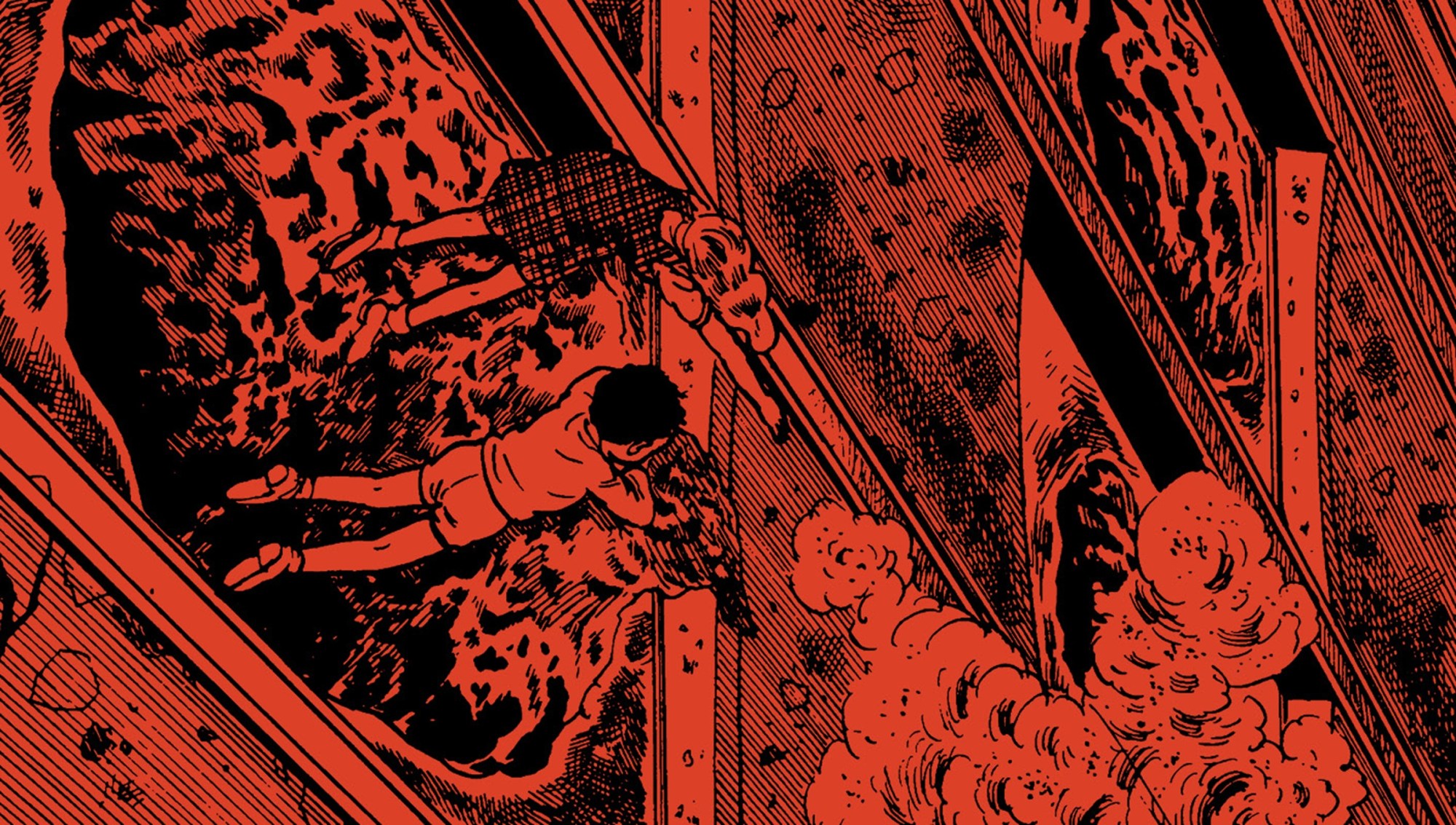
For years, advocates of spooky animation have pushed for the anime industry to dive deeper into the horror genre. While Hollywood cashes in on the supernatural and psychological thrills of films like Obsession and Backrooms, anime often seems hesitant to follow suit. Although fans have enjoyed brilliant adaptations of Junji Ito’s manga, a foundational masterpiece of 1970s horror remains entirely unadapted into the medium of animation. Featuring a narrative that refuses to age, it is long past time for The Drifting Classroom to finally receive a proper anime adaptation.
Originally launched in 1972, Kazuo Umezu’s The Drifting Classroom spent two years crafting a cosmic horror story that remains remarkably relevant today. The plot kicks off when an ordinary elementary school is suddenly ripped from its normal surroundings and hurled into a bleak, desolate wasteland. With the students, teachers, and the building itself trapped in this new dimension surrounded entirely by endless sand, the survivors quickly discover that their environment is crawling with bizarre, terrifying threats. Yet, while the landscape is filled with surreal monsters, Umezu’s greatest triumph lies in exposing just how monstrous humanity can be when pushed to the edge.
The True Horror of The Drifting Classroom
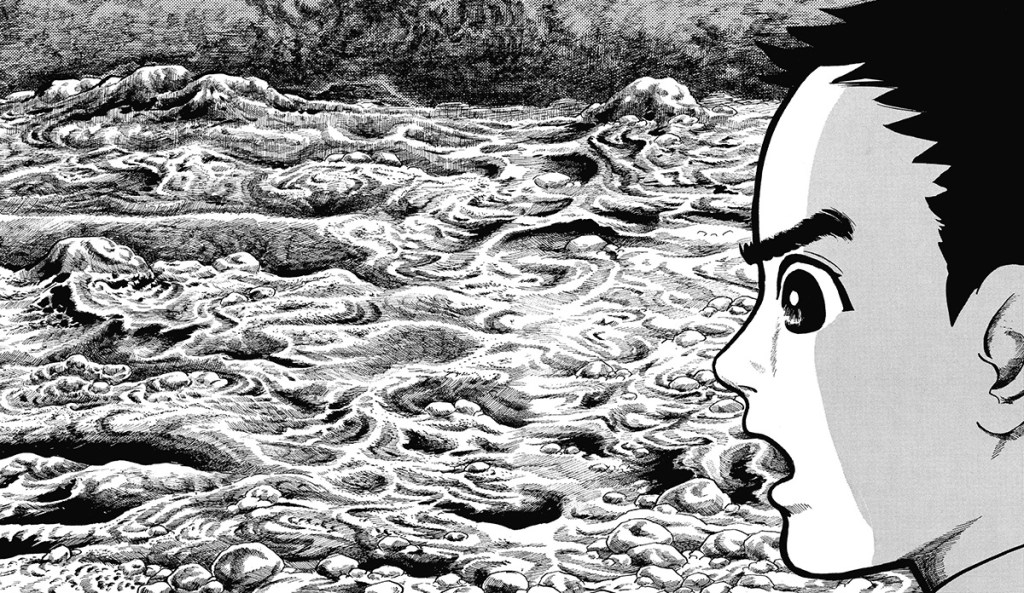
Sharing strong thematic ties with William Golding’s Lord of the Flies, the story forces its young survivors to grapple with the brutal realities of community and cooperation under extreme duress. Even amidst giant centipedes, killer robots, and grotesque spider-like entities, everyday crises like starvation, dehydration, contagious disease, paranoia, and power struggles dominate the narrative. These very human trials elevate the harrowing journey of protagonist Sho and his classmates as they desperately search for answers and a way back home.
The ultimate terror in The Drifting Classroom stems from the children’s battle to preserve their sanity, trust one another, and secure basic survival resources. Once the stakes are established, Umezu wastes no time tackling the difficult questions any reader would ask in such a scenario. The children are forced to confront mortality, hunt for scarce food and water, and face unprecedented horrors. Adding to the tension, the adult teachers who vanished alongside them frequently prove to be more of a liability than a source of guidance, weaving a complex and compelling web of interpersonal conflict.
Much like John Carpenter’s The Thing, The Drifting Classroom thrives on a palpable sense of isolation and dread that makes every scare hit harder. While watching adults navigate such a nightmare is terrifying enough, experiencing it through the vulnerable eyes of children entirely on their own amplifies the horror tenfold. Without spoiling the twists, the deeper Sho and his allies delve into their reality, the more surreal and mind-bending the situation becomes. Even if you aren’t a die-hard horror fan, the gripping pacing leading up to its unforgettable finale makes it an absolute must-read.
The Live-Action Drifting Classroom

Unusually for a hit manga, The Drifting Classroom skipped the anime route altogether and instead leaped straight into live-action adaptations. While titles like 20th Century Boys and I Am a Hero followed a similar path, these specific horror adaptations struggled to capture the magic of the source material. The first cinematic attempt in 1987 shifted the setting to an international school featuring a diverse, older cast. Later, the 2002 series The Long Love Letter offered a heavily altered interpretation of the premise, aging up the students to fit the terrifying landscape.
Given the anime medium’s ongoing hunger for more horror titles, The Drifting Classroom is widely regarded as one of the greatest manga of all time, regardless of genre. Despite hailing from the 1970s, the story remains remarkably timeless, packed with spine-chilling panels from start to finish. Whether developed as an expansive television series or adapted into a feature film by a capable studio, the material is more than ready for animation. For those eager to experience the story firsthand, Viz Media offers the manga on its digital subscription platform, and physical copies of the three omnibus volumes can be purchased right here to prepare for a heart-pounding journey that is long overdue for its anime debut.