
Anime features thousands of distinct titles, yet only a select few achieve mainstream status. While massive hits like Naruto, Attack on Titan, Jujutsu Kaisen, and Demon Slayer dominate public discourse, numerous under-the-radar series have faded into obscurity despite introducing groundbreaking concepts to the medium.
Several of the most eccentric anime ever produced have pushed boundaries through unconventional writing, distinct aesthetics, intricate world-building, and bold ideas. While the medium is full of overlooked masterpieces, these particular shows truly distinguish themselves with their wonderfully bizarre execution.
Cautious Hero Hides a Surprisingly Emotional Story Behind Its Comedy
-
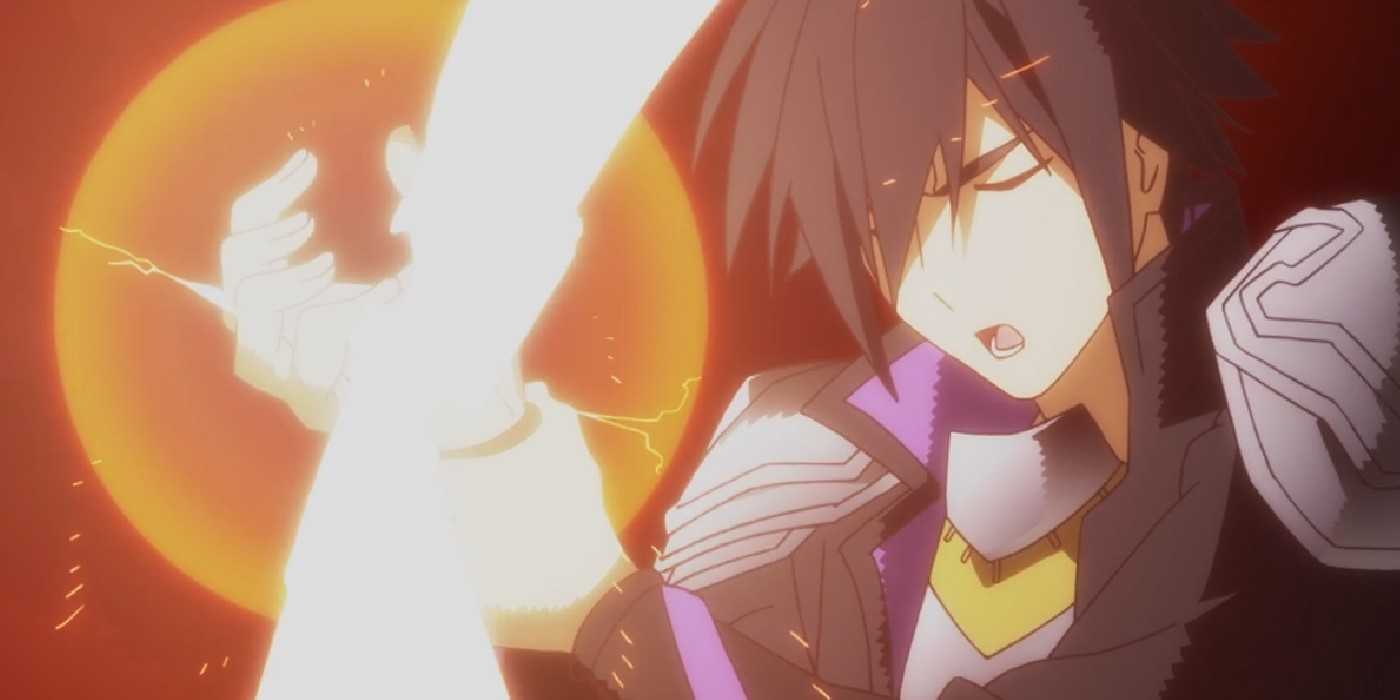
Image via White Fox
-
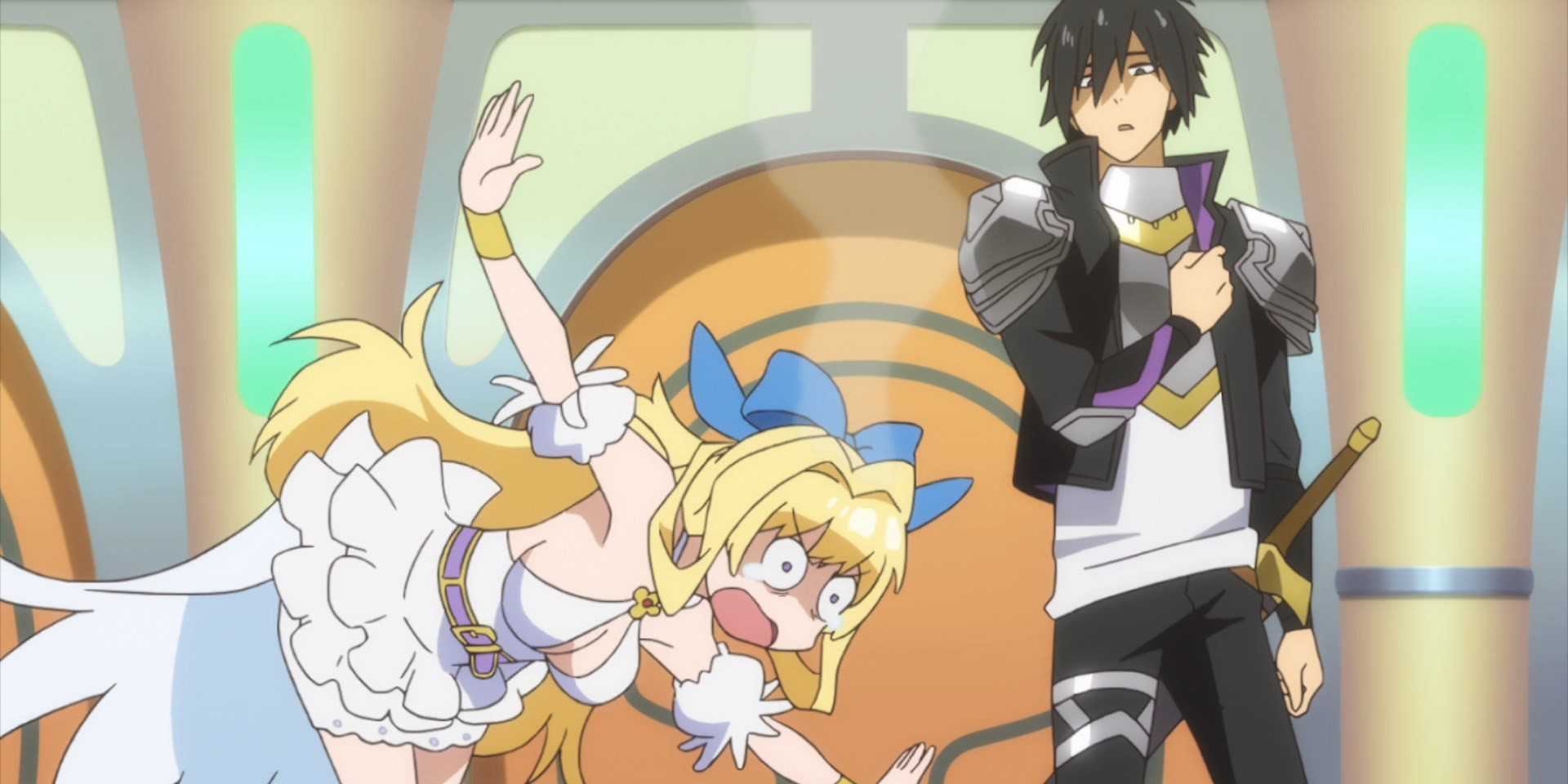
Image via White Fox.
-
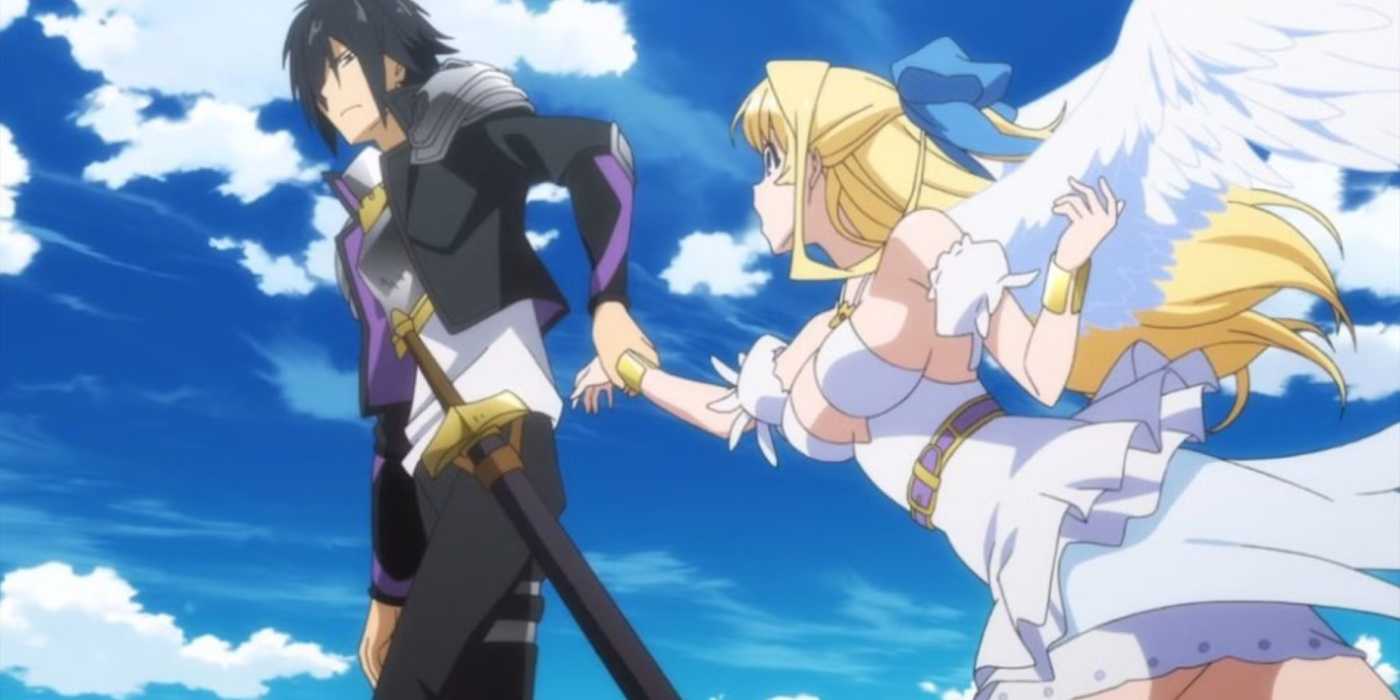
Image via White Fox
Cautious Hero initially passes as just another standard isekai gag anime starring a hyper-powerful protagonist, a doomed fantasy realm, and a deity pleading for salvation. Yet, Seiya breaks the mold. Despite possessing absurd strength, he refuses to engage in combat unless he has accounted for every single variable—frequently spending days grinding out preparations for low-level threats he could easily obliterate in a second.
For most of the run, his pathological paranoia plays strictly for laughs. However, the closing arcs completely recontextualize his behavior. The genuine motive driving his extreme actions carries a heartbreaking weight, expertly flipping a silly comedy into a profoundly touching narrative.
Ergo Proxy Is an Anime That Rewards A Second Watch
-
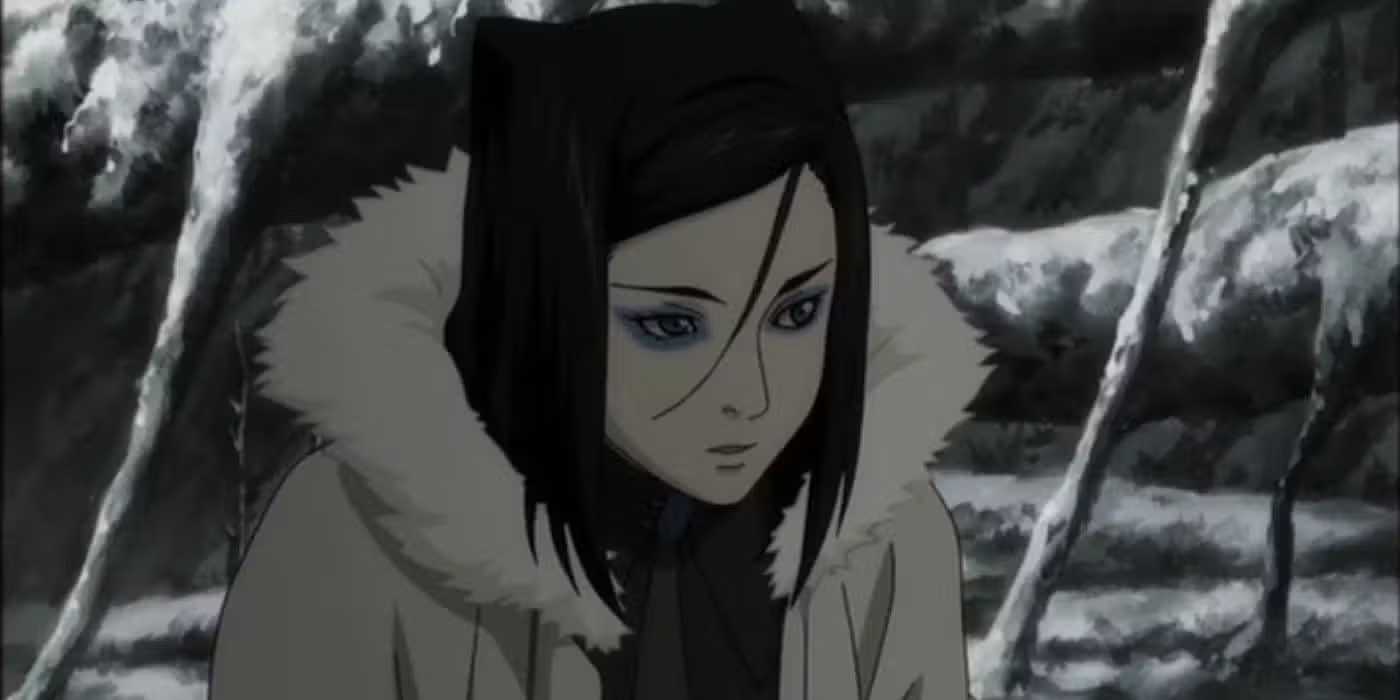
Image via Manglobe
-
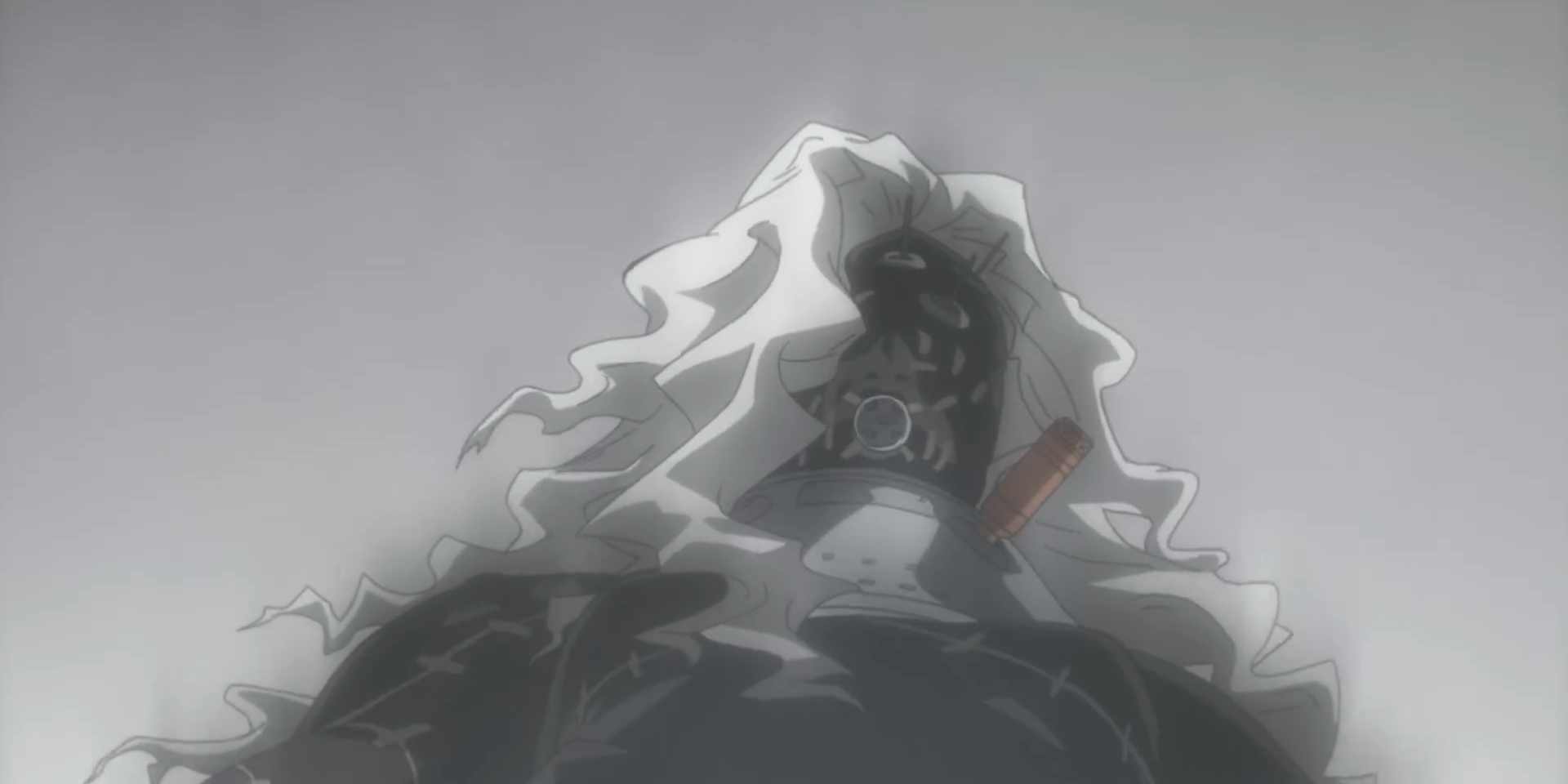
Image via Manglobe
-
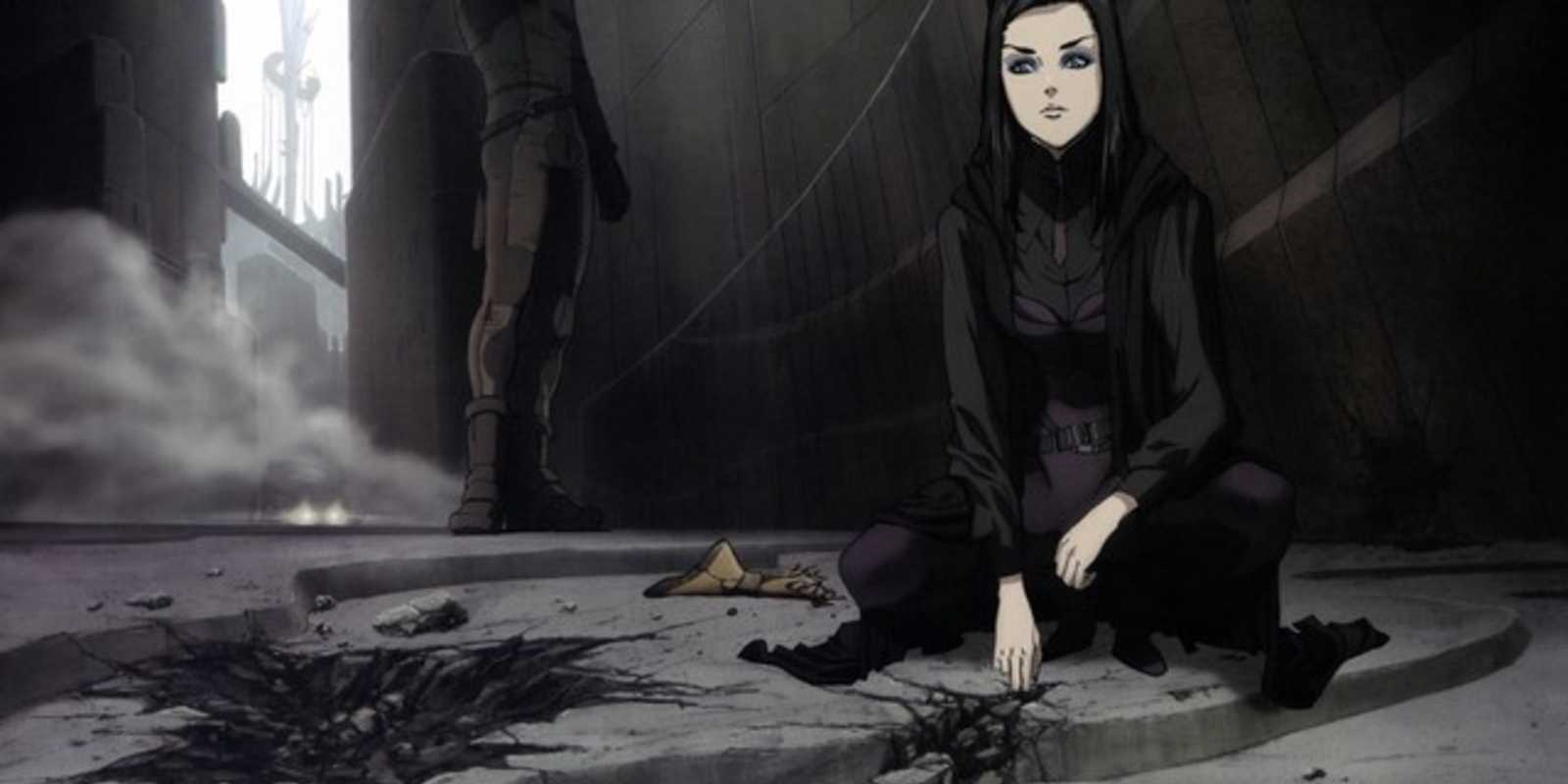
Image via Manglobe
Ergo Proxy belongs to that rare breed of storytelling that practically forces viewers to look up lore guides while watching. Set inside the isolated bio-dome city of Romdeau, this cyberpunk mystery follows inspector Re-l Mayer as she investigates a string of bizarre crimes tied to humanoid androids known as Proxies. Part of what makes the series a tough initial watch is its habit of withholding vital answers until the eleventh hour.
The show also relies heavily on obscure philosophical allusions, making certain stretches cryptic on a first pass. However, returning for a second viewing exposes the intricate planning woven into the script, turning background details into vital narrative puzzle pieces. Boasting an incredible mood, striking aesthetics, and Radiohead’s “Paranoid Android” as its unforgettable ending theme, Ergo Proxy stands as a definitive milestone in 2000s cyberpunk animation.
Birdie Wing Makes Golf Feel Like a Shonen Battle Series

A series centered around golf doesn’t naturally sound like a breeding ground for high-stakes rivalries and wild plot twists. Yet, Birdie Wing infuses the traditionally slow-paced sport with the electrifying energy of a premier shonen battle anime. Rather than sticking strictly to the fairway, the plot throws in dramatic family vendettas and an underground, mafia-operated golf syndicate, creating a setting entirely unique to the sports genre.
Alongside the intense showdowns between Eve and Aoi Amawashi, the series also leans into a heavily queer-coded dynamic between the two leads that will thrill yuri fans, anchoring their fierce rivalry at the heart of the drama. Fueled by fast pacing, vibrant animation, and relentless narrative curveballs, Birdie Wing turns every tee-off into an epic event.
Planet With Turns Classic Mecha Tropes Into Something New

On the surface, Planet With looks like a throwaway mecha series built entirely around wacky alien designs and oversized robot brawls. However, beneath its eccentric exterior lies a deeply thoughtful meditation on forgiveness and empathy. Penned by Satoshi Mizukami, the story follows an amnesiac teenager living alongside a talking cat-like entity and a maid, who suddenly finds himself thrust into a defense campaign against mysterious celestial invaders.
The show borrows elements from legendary mainstays like Gundam, Gurren Lagann, and Evangelion while carving out its own distinct identity. Instead of splitting its cast neatly into traditional heroes and villains, Planet With takes the time to explore the motivations behind everyone’s actions, acknowledging their mistakes and the formative traumas that drive them.
Sound Of The Sky Looks Peaceful Until Its Darker Themes Emerge

Sound of the Sky disguises itself as a tranquil slice-of-life outing, which explains why it flew under the radar for so many viewers. Set in the quiet, fading town of Seize, a young recruit named Kanata Sorami enlists in a modest military unit as a bugler. Despite the military backdrop, the anime exudes a dreamlike serenity, utilizing European-inspired architecture and landscapes modeled after the real city of Cuenca, Spain.
The visual presentation draws direct inspiration from the paintings of Gustav Klimt. While the warm atmosphere, gorgeous soundtrack, and cozy domestic moments make Seize feel inviting, the narrative steadily unravels a solemn, sobering anti-war message. Though the conclusion feels slightly rushed and predictable, the path getting there remains a breathtaking journey.
The Beast Player Erin Is The Political Fantasy Anime Nobody Talks About

The Beast Player Erin frequently gets sidelined in fantasy discussions, despite stemming from the mind of Nahoko Uehashi—the acclaimed author behind Moribito, which earned a far more mainstream adaptation. Erin is a young girl whose deep empathy for the kingdom’s giant, flying war-beasts inadvertently drags her into high-stakes political intrigue. Following Erin from childhood into adulthood as the surrounding world undergoes massive shifts gives the narrative an authentic, mature perspective on how relationships evolve.
The world-building in The Beast Player Erin puts many contemporary fantasy series to shame, delivering complex social hierarchies and deep geopolitical conflicts. The soft, storybook art style makes the harsher, more tragic elements hit with devastating impact. While the ending could have been polished further, Erin’s personal odyssey makes the entire watch well worthwhile.
Infinite Ryvius Is More Than Just A Survival Story

Infinite Ryvius starts with a straightforward premise: after a sudden catastrophe strands hundreds of teenagers aboard a spacecraft without adult supervision, they are forced to govern themselves despite having zero leadership experience. Across its 26 episodes, the series brutally illustrates how panic, fear, and authority corrupt human nature.
The anime manages its sprawling ensemble cast better than many shows with a fraction of the headcount, ensuring even minor characters receive meaningful development. Frequent comparisons to Lord of the Flies are well-earned, given its unflinching look at societal collapse under pressure. While the retro ’90s aesthetic and soundtrack might not be for everyone, they cultivate an oppressive atmosphere that sets it apart from standard survival fiction.
Gankutsuou Rebuilds The Count Of Monte Cristo With The Weirdest Art Style In Anime

Gankutsuou takes one of literature’s most iconic revenge thrillers and reinvents it into a mesmerizing visual trip. Rather than offering a faithful period piece of Alexandre Dumas’ The Count of Monte Cristo, the adaptation transplants the narrative into a distant sci-fi future, where young aristocrat Albert de Morcerf crosses paths with the enigmatic Count during a lunar carnival.
What sets Gankutsuou apart is its striking textile-mapped aesthetic, where vibrant patterns and digital textures remain locked in place while characters move across them—a stylistic choice that takes some getting used to. Prioritizing psychological warfare and political chess over cheap action spectacles, it easily ranks among the most creatively daring literary adaptations ever animated.
Haibane Renmei Is The Anime That Lets Viewers Find Their Own Answers

Haibane Renmei is a 13-part coming-of-age fantasy set inside the walled community of Glie, where a girl named Rakka emerges from a cocoon bearing small grey wings and a halo. As a newly hatched Haibane, she integrates into a community of kindred spirits while grappling with her lost past and striving to understand her new existence.
The enigmatic nature of the Haibane drives the core of the experience. The show’s meticulous world-building, hypnotic tone, subdued score, and gentle art design conjure a setting that feels simultaneously comforting and unsettling. Refusing to spoon-feed answers to every single mystery, the narrative leaves abundant room for personal interpretation, ensuring Haibane Renmei becomes a deeply intimate experience that resonates differently with every viewer.
Kaiba is the Sci-Fi Anime that Deserves Far More Attention

Kaiba is a 2008, 12-episode creation by Masaaki Yuasa that remains far less celebrated than his other masterworks like Ping Pong the Animation, The Tatami Galaxy, and Devilman Crybaby. Much like Planet With, it centers on a memory-deprived protagonist. Warp searches for clues regarding his true identity while stumbling onto a vast, corrupt conspiracy within a dystopian future where memories can be traded and swapped between physical shells.
The initial half focuses heavily on episodic character studies and universe-building, while the second half kicks the overarching plot into gear, tying earlier clues together in devastating fashion. The deceptive, whimsical art style masks a deeply somber, gut-wrenching core. Ultimately, Kaiba stands apart from standard sci-fi fare precisely because it starts off weird and only grows stranger.