
Great dark fantasy anime have never relied on viral mainstream popularity to deliver unforgettable storytelling. Long before contemporary hits dominated streaming algorithms, numerous series quietly mapped out cursed realms, hidden supernatural conspiracies, crumbling universes, and agonizing moral dilemmas. Sadly, many of these gems slipped past popular culture conversations despite featuring some of the most intricate world-building and character design the genre has ever produced.
While certain titles lean heavily into gothic horror, others dive deep into psychological sorrow or grim survival quests. However, every single one of them carves out a permanent space in the viewer’s memory through rich atmosphere rather than cheap spectacle. Whether your tastes run toward blood-drinkers, obscure folklore, medieval territories, or haunting post-collapse environments, these overlooked classics prove that the crown jewels of dark fantasy are often hidden in plain sight.
Rage of Bahamut Genesis Proves Dark Fantasy Can Still Be Fun

On the surface, Rage of Bahamut: Genesis appears to be a standard fantasy escapade following bounty hunters and mythical beasts, but it rapidly evolves into an epic-scale narrative. The plot centers on the sealing of the colossal dragon Bahamut. When his impending freedom threatens mortals, demons, and deities alike, the resulting dynamic forces constantly shifting alliances that shatter any expectations of a simple battle between absolute good and evil.
The true charm of the series lies in its masterful tone management. Favaro’s cynical humor keeps the pacing brisk and entertaining, yet the broader stakes still feel intensely high because every major player has everything to lose should the beast wake up. Instead of dragging the audience through unrelenting misery, the production wisely sprinkles in moments of wit and hope, which only makes the inevitable hardships sting harder.
Le Chevalier D’Eon Turns History Into a Supernatural Mystery

Le Chevalier D’Eon weaves real-world history together with occult magic to deliver a puzzle unlike anything else in the medium. Set against the backdrop of 18th-century France, the plot tracks D’Eon de Beaumont as he looks into the untimely demise of his sister. Her ghost takes over his physical form during clashes against secret societies and dark conspiracies aiming to destabilize Europe.
Rather than using the historical setting as mere window dressing, the show embeds authentic political turmoil directly into its supernatural mystery. Palace intrigue, clandestine orders, and religious friction all fuel the investigation, keeping the narrative feeling grounded despite the presence of spirits and esoteric rituals. This delicate harmony grants the series a distinct vibe that stands apart from standard historical fantasy entries.
Boogiepop Phantom Turns Urban Legends Into Psychological Horror
-
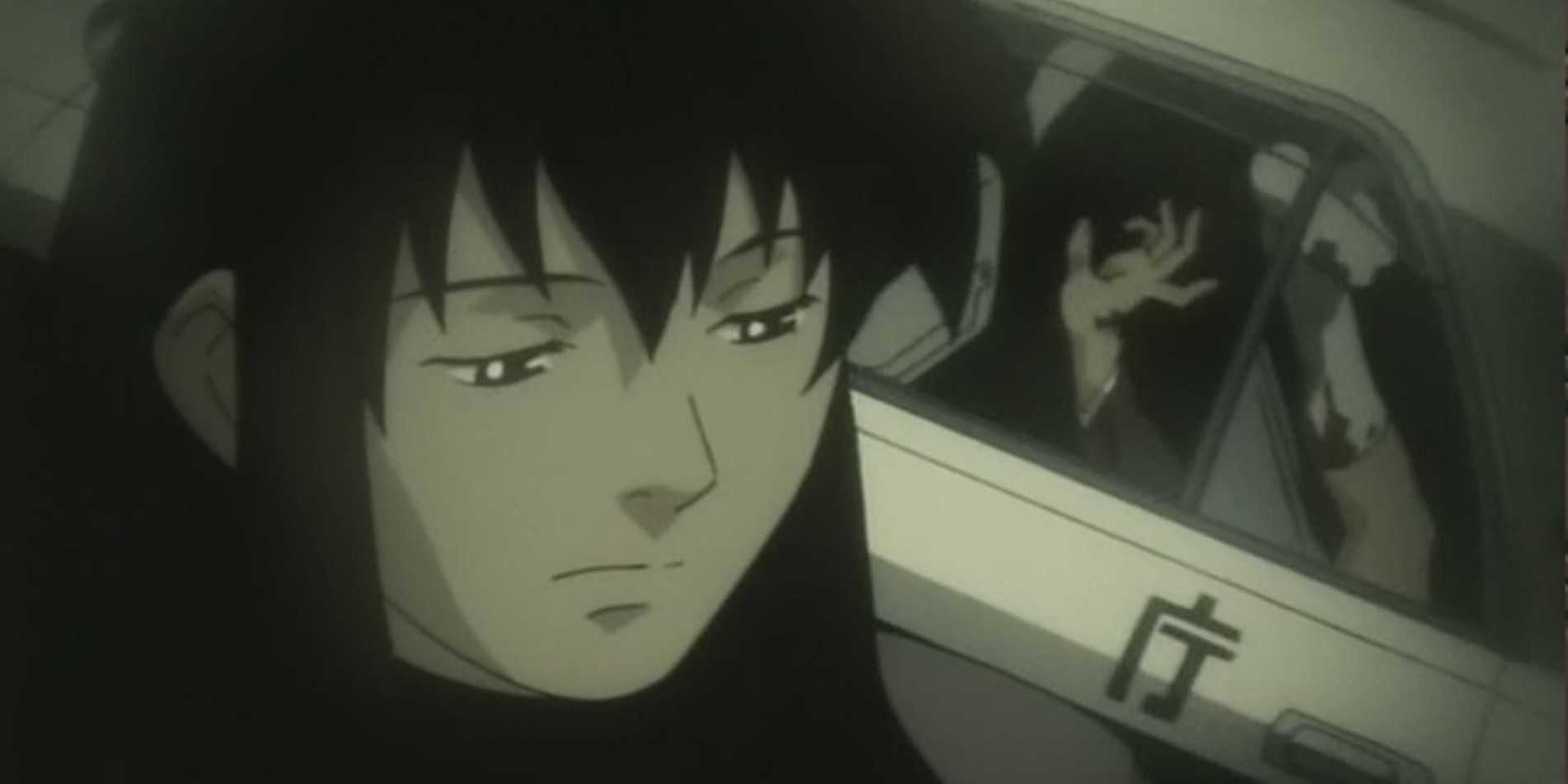 Image via Madhouse
 -
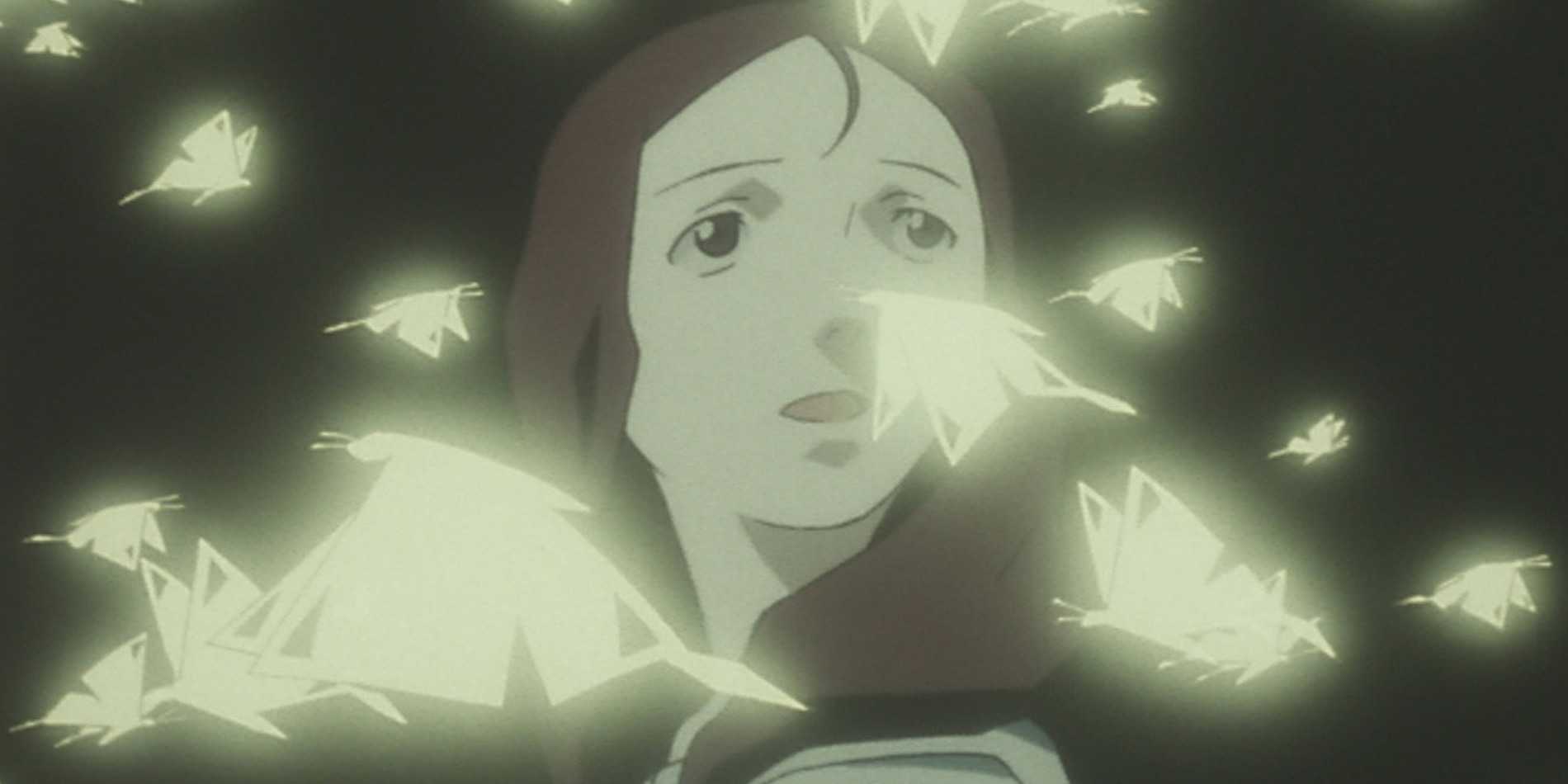 Image via Madhouse
 -
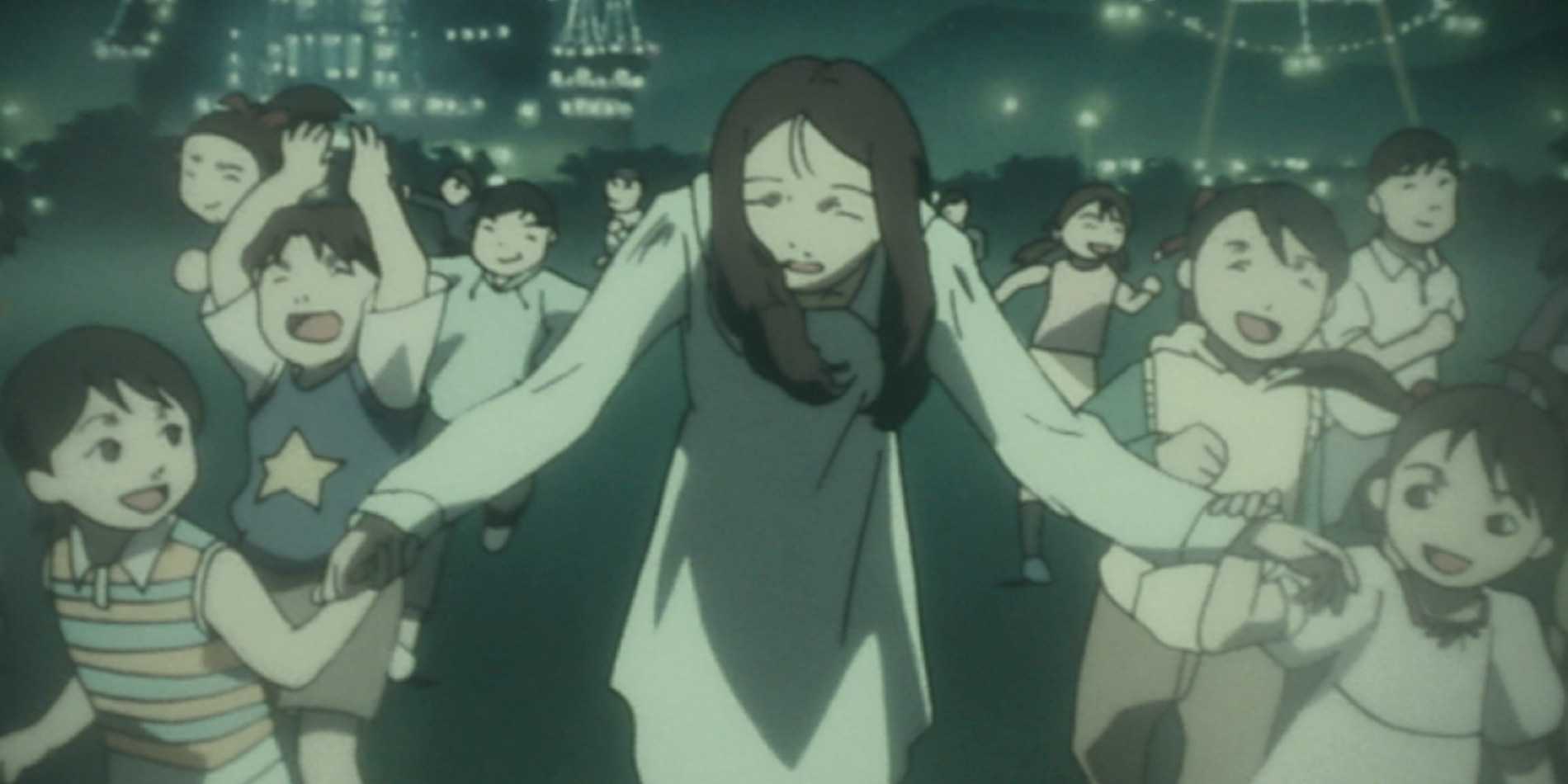 Image via Madhouse
Boogiepop Phantom bypasses standard jump-scares and monsters to unnerve its audience. Instead, it examines the hidden psychological wounds of isolation, psychological trauma, and fixation through a disjointed jigsaw puzzle of a narrative, linking ordinary citizens together via unexplainable supernatural anomalies. Each segment uncovers a new fragment of the puzzle, richly rewarding viewers who pay close attention rather than spelling everything out.
The core brilliance of Boogiepop Phantom stems from its mood rather than standard plot twists. Desaturated visuals, chilling sound design, and an intentionally unsettling chronology cultivate an aura of creeping dread, rendering the normal world deeply sinister long before any overt supernatural element takes center stage. Rather than relying on cheap scares, the series sticks with you by implying that the most terrifying monsters are the insecurities people harbor inside.
Wolf’s Rain Uses Fantasy to Explore Hope at the End of the World
-
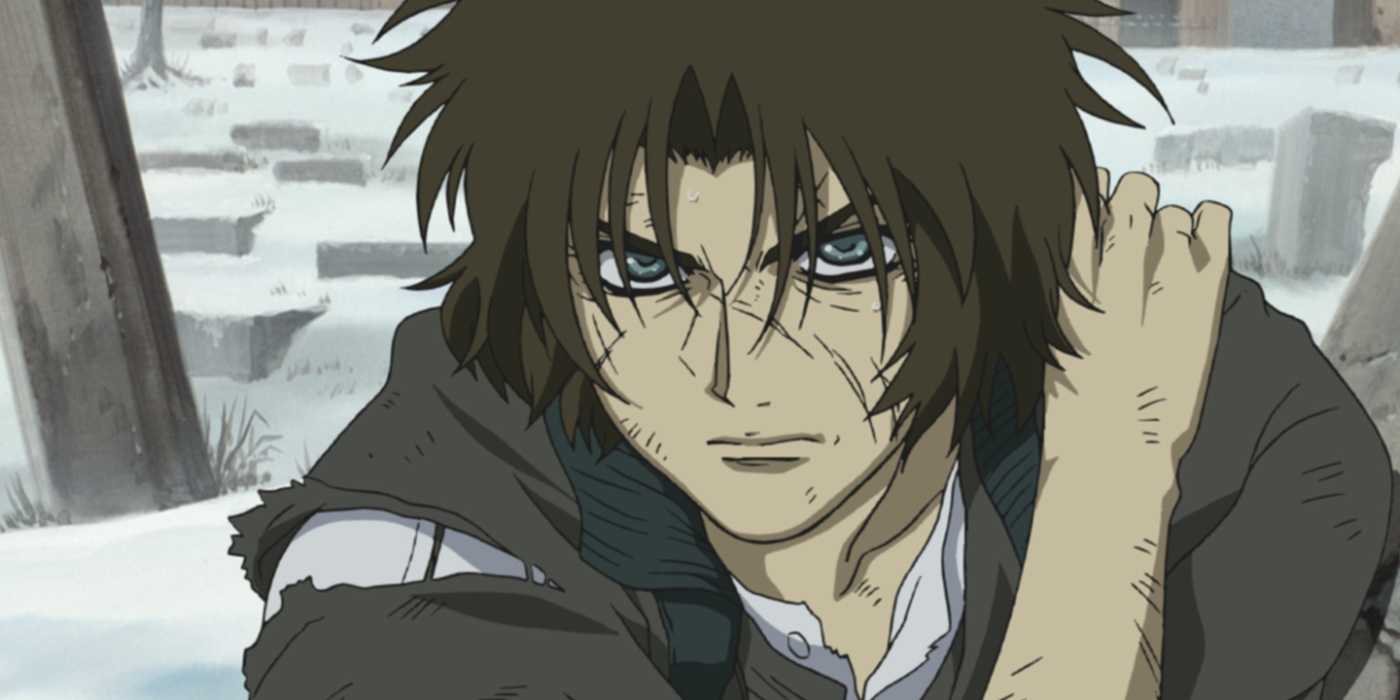 Image via Bones
 -
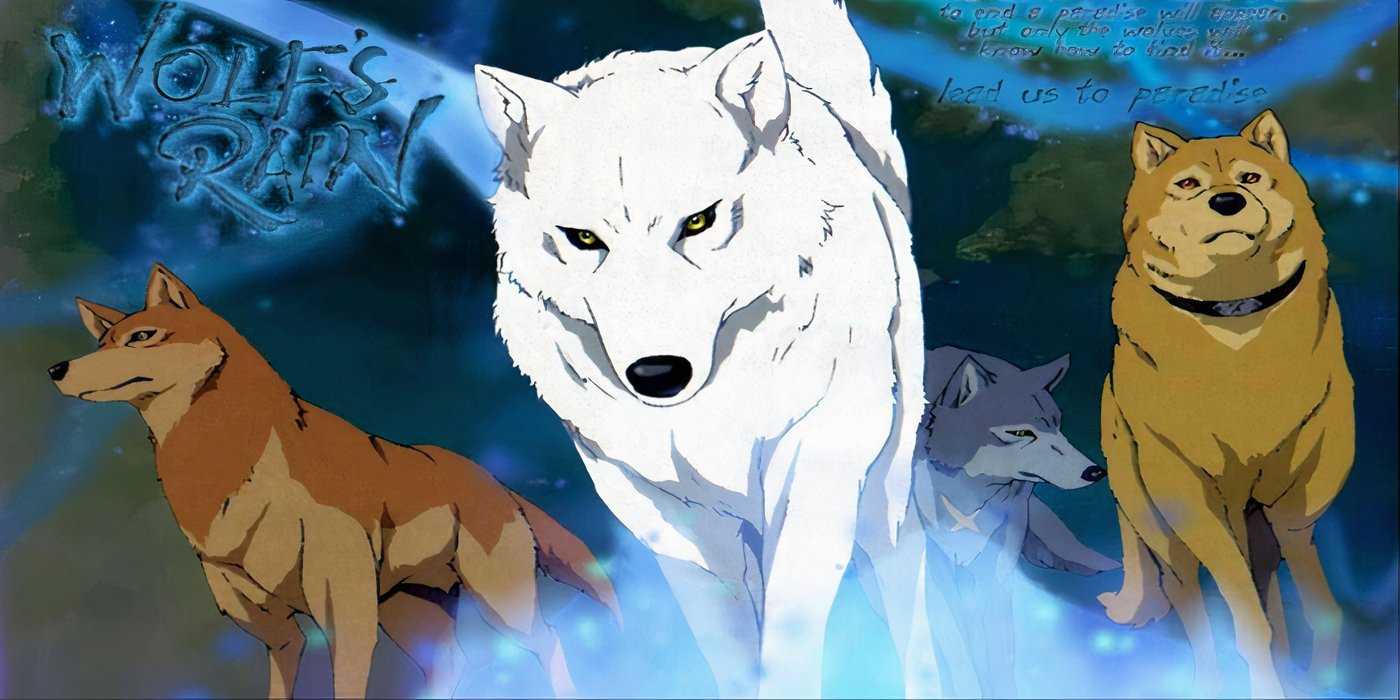 Image via Bones
 -
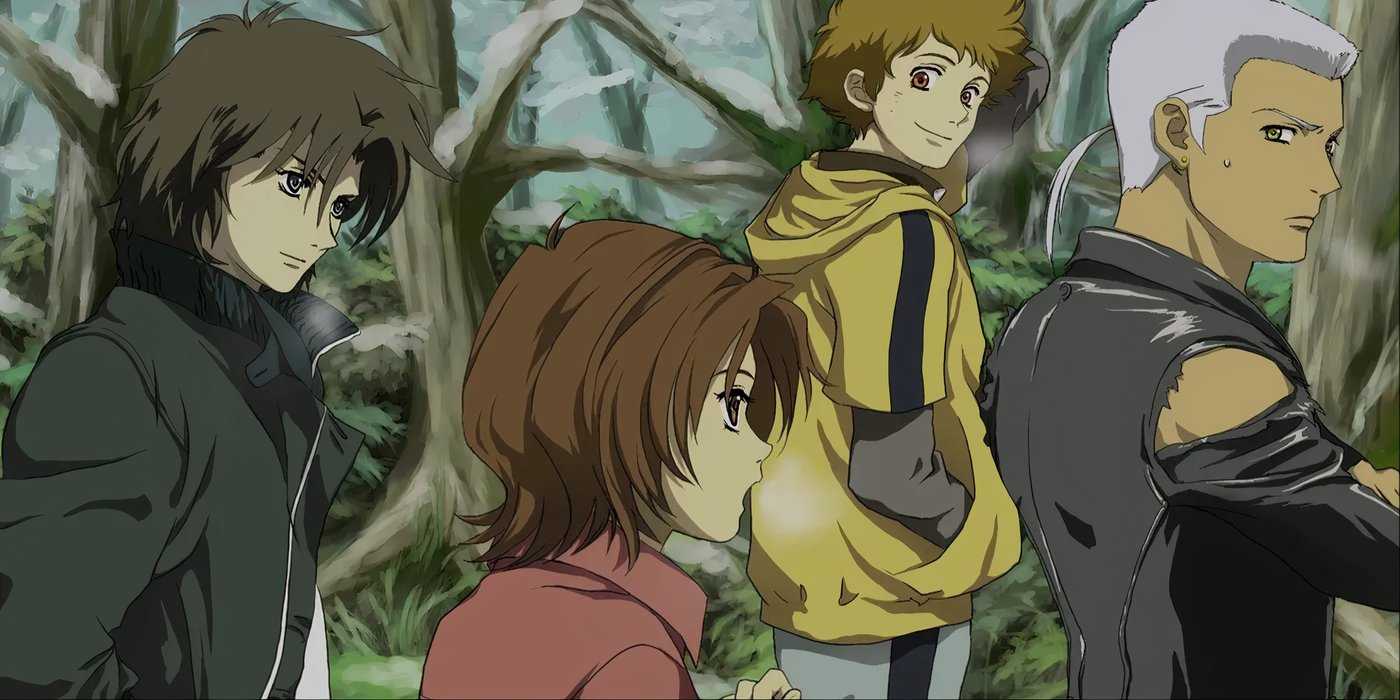 Image via Bones
Though cherished by veteran viewers, Wolf’s Rain rarely surfaces in contemporary dark fantasy debates, despite offering one of the most poignant emotional Odysseys ever animated. The story follows a pack of wolves capable of taking human form as they journey across a decaying world in search of Paradise, convinced it offers a final refuge before society collapses entirely.
The series never treats its dying ecosystem as mere window dressing; every terrain mirrors the inner turmoil of the travelers. Kiba’s stubborn resolve, Tsume’s hardened skepticism, Hige’s casual optimism, and Toboe’s vulnerability constantly butt heads as they process grief and hardship in distinct ways, allowing their bond to shift organically. Backed by Yoko Kanno’s legendary score, the anime achieves a tone that is nearly impossible to duplicate.
Vampire Princess Miyu Turns Every Victory Into Another Tragedy

While the majority of vampire anime lean heavily into action set pieces or romance, Vampire Princess Miyu opts for a profoundly sorrowful path. Miyu’s mission isn’t to purge common vampires, but rather to track down runaway Shinma—supernatural entities feeding on humans—and banish them back into the shadows. Every confrontation forces her to witness another mortal’s panic, regret, or alienation, turning each installment into a slow-burn heartbreak.
What makes the show stick with viewers is its refusal to grant clean, happy endings. Saving someone frequently exacts a steep emotional penalty, and Miyu herself remains stranded between humanity and eternal life, belonging to neither side. Eschewing gratuitous gore, the anime weaves its dark fantasy through a lingering melancholy, dreamlike aesthetics, and the harsh truth that certain scars never fully heal.
Mars Red Explores Immortality Through Loss Instead of Power

Positioned in 1920s Japan, Mars Red approaches bloodsuckers from a remarkably grounded, theatrical angle. When the authorities assemble a specialized military detachment to investigate surging vampire activity, the plot quickly pivots away from straightforward monster extermination to focus on identity, grief, and the weight of pressing onward after losing everything that made life worth living.
The dramatic, stage-play inspired presentation grants Mars Red a distinct cadence that separates it from flashier supernatural shows. Dialogue often carries more weight than combat as each lead character processes immortality through their own philosophical lens, breeding tension rooted in personal beliefs rather than basic survival. While this deliberate pacing may have curbed its mainstream traction, it allows the emotional beats to hit far harder than typical action-heavy vampire tropes.
Trinity Blood Builds a World Where Every Side Has Something to Lose

Taking place centuries after a catastrophic armageddon, Trinity Blood visualizes a future where mortals and vampires attempt to preserve an unstable peace while radicals on both fringes push for total war. Father Abel Nightroad looks like a mild-mannered clergyman, but he secretly houses catastrophic powers, positioning him as one of the few shields standing between the fragile status quo and complete annihilation.
What elevates the property past a generic action romp is its intricate geopolitical layout. Religious hierarchies, monarchies, and military factions all chase competing agendas, ensuring that conflicts lack simple answers and no single faction is wholly righteous. Rather than portraying warfare as an inevitability, Trinity Blood persistently questions whether true peace can endure when fear and animosity have dictated generations of history on both sides.
Bastard!! Embraces Excess Without Ever Losing Its Identity

Bastard!! stems from a time when fantasy manga and anime reveled in maximalism, and the adaptation proudly wears those influences on its sleeve. Dark Schneider dominates nearly every frame through sheer magical dominance, yet the appeal reaches deeper than merely watching an overpowered wizard obliterate foes.
The narrative tosses audiences straight into a realm populated by fallen empires, ancient prophecies, fiends, and rival warlocks, setting up stakes massive enough to suit its larger-than-life lead. Rather than chasing grounded realism, Bastard!! leans hard into classic heavy-metal fantasy tropes, ensuring every incantation, beast, and battlefield looks wonderfully over-the-top.
Underneath all the pyrotechnics, however, the script routinely ponders whether someone blessed with god-like strength can ever outrun the sins of their past. That blend of explosive action and heartfelt character struggle keeps the series engaging long after the initial spectacle fades.
Witch Hunter Robin Finds Horror in What People Choose to Hide

Unlike many supernatural thrillers that immediately dive into sprawling skirmishes, Witch Hunter Robin opens with slow-burn investigations. Robin Sena joins STN-J, a task force dedicated to capturing witches whose powers pose societal risks, but each case gradually unearths disturbing realities about the hunters just as much as the hunted. The deeper Robin digs into institutional operations, the harder it becomes to separate righteous justice from systemic persecution.
The production’s biggest asset is its patience. Rather than rushing headfirst into constant battles, it builds suspense meticulously through subtle details, sparse writing, and an atmosphere where suspicion slowly overtakes certainty, making every revelation feel earned rather than forced. By the time the grand conspiracy breaks wide open, the series has evolved from an episodic mystery into a thoughtful critique of fear, bias, and authority.
Now and Then, Here and There Shows the Darkest Side of Fantasy

Now and Then, Here and There stands out as uniquely harrowing because its most profound terrors stem from human malice rather than mythical beasts. When an ordinary youth named Shu gets pulled into an arid, dying dimension ruled by the ruthless King Hamdo, he finds himself in a nightmare where children are conscripted into armies, water is scarce, and survival requires navigating daily atrocities.
Every single hardship feels painfully authentic, bringing the fantasy backdrop uncomfortably close to real-world humanitarian crises. What sets this title apart from almost every other forgotten dark fantasy project is its refusal to sugarcoat its message. Suffering is never exploited for cheap shock value; instead, every tragedy highlights the toll of warfare and dictatorship, while Shu’s stubborn refusal to abandon his empathy serves as the narrative’s ultimate beacon of defiance.